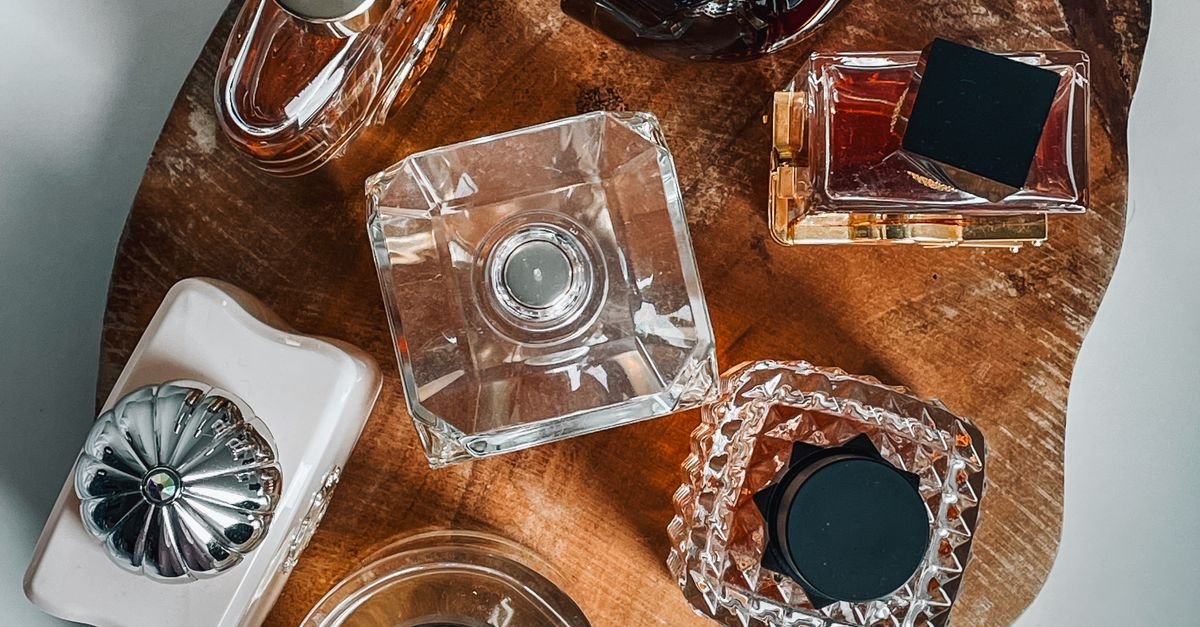
Deciding whether to sell your fragrance collection as a lot or bottle by bottle is one of the most crucial choices any collector, enthusiast, or inheritor of perfumes will face. This choice can significantly affect your financial outcome, workload, and the speed of your sale. In almost every scenario, the optimal strategy is guided by the rarity, demand, and condition of your bottles—as well as your own goals for time invested versus cash out.
If your collection contains luxury, discontinued, or rare fragrances, selling bottle by bottle is usually the best way to maximize your total payout. For collections made up mostly of common designer scents, partial bottles, or if you need to liquidate quickly, selling as a curated lot is a practical solution. In most cases, a hybrid approach gives you the most balanced results: reserving individual listings for high-value or sought-after bottles, and grouping everyday or partial bottles into themed bundles.
Definition: Selling as a Lot vs. Bottle by Bottle
Selling as a lot means offering several bottles together in one transaction, typically at a discounted price per item in exchange for convenience. Selling bottle by bottle means you photograph, describe, price, and ship each fragrance separately. Each method appeals to a different type of buyer and seller. Platforms specializing in authenticated luxury resale, such as Trade Perfumes, serve both strategies with unique safeguards tailored to high-value bottles and mixed collections.
Key Factors: How to Decide the Best Selling Method
Careful evaluation of these five factors will inform your selling strategy:
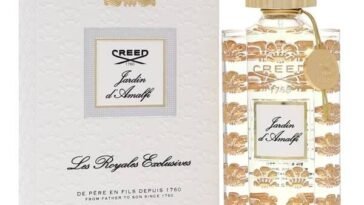
- Rarity and Demand: Bottles from niche, discontinued, or luxury brands (e.g., Maison Francis Kurkdjian, Creed, Tom Ford, Parfums de Marly, Roja, and others) usually achieve higher returns when sold individually, as collectors often search for specific bottles, batches, or presentations.
- Fill Level: Near-full bottles are best listed singly for maximum price. Partials, testers, or bottles below 50% fill can be bundled for faster movement.
- Condition and Packaging: Intact boxes, pristine labels, and full kits (caps, accessories) attract premium buyers. Mixed or less pristine items are well-suited to lots.
- Your Time Investment: Listing many bottles individually is more time-consuming. Bundling minimizes individual shipping and communication.
- Priority: Maximum Return vs. Speed: Individual sales maximize revenue per item but require patience. Bundles appeal to buyers seeking value and move entire collections faster.
When to Sell Bottle by Bottle: Best Candidates for Individual Listings
In the pre-owned and discontinued luxury market, individual listings are recommended for:
- Discontinued fragrances with a strong collector following.
- Luxury niche bottles: For example, Maison Francis Kurkdjian, Creed, Roja, and Parfums de Marly.
- Highly sought-after flankers, vintage bottles, or bottles with rare batch codes.
- Bottles in near-new condition with complete retail presentation.
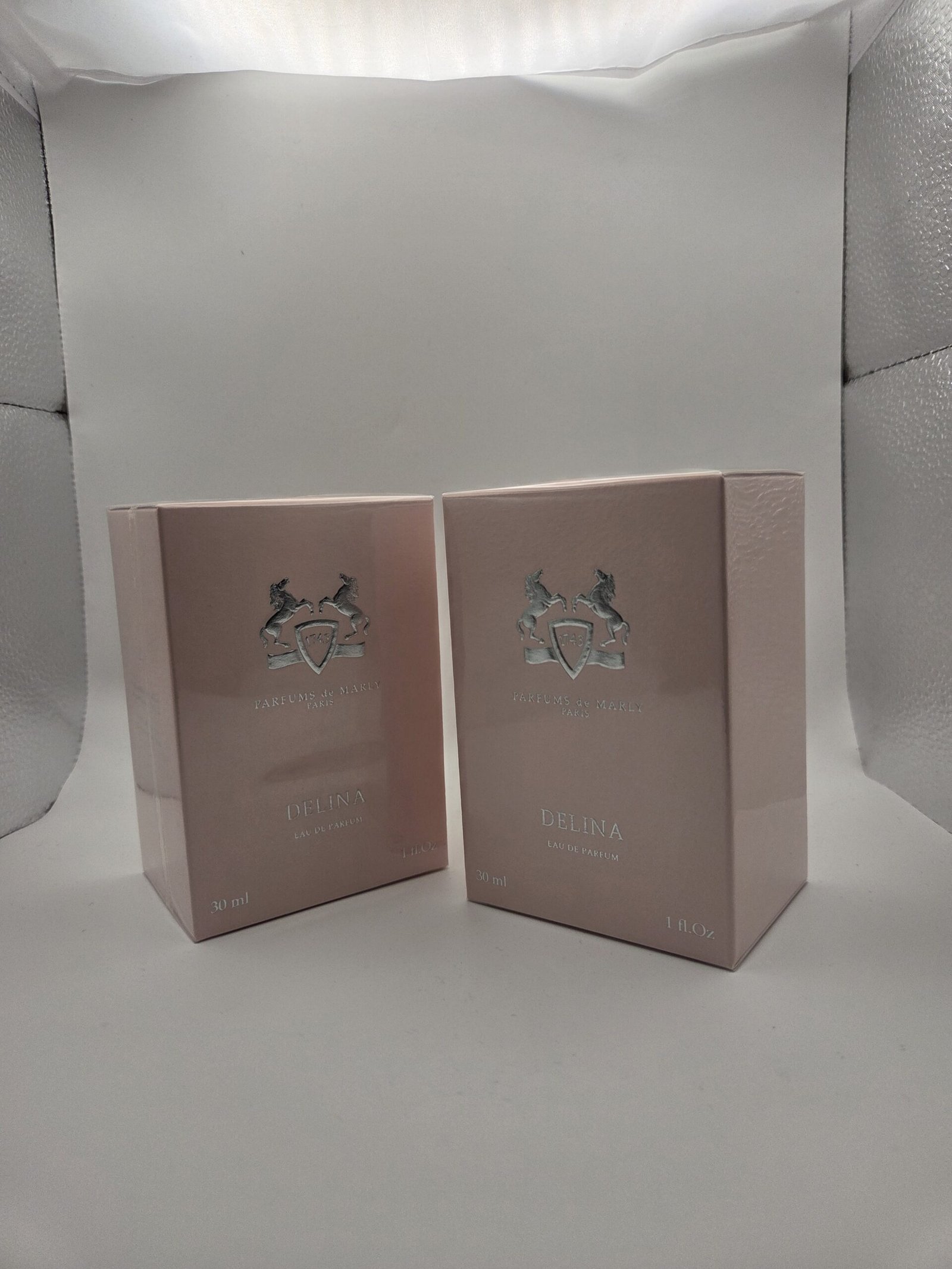
For example, if you possess sealed or like-new bottles such as PDM Fem Delina or a collectible Creed release, listing individually ensures both transparency (detailing fill, packaging, batch) and optimal matching with searching buyers.
When to Sell as a Lot: Best Uses for Bundles
Selling as a lot is ideal when your collection includes:
- Designer perfumes with wide availability and lower resale value.
- Partials, testers, or travel-sized bottles that may not attract buyers on their own.
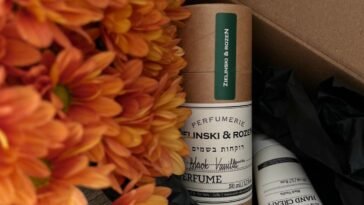
- Thematically cohesive groups (e.g., all summer aquatics, all ouds, or a set of discovery size bottles).
- Mid-tier bottles that are slow to sell individually.
- Collections needing fast liquidation (moving, downsizing, or clearing storage).
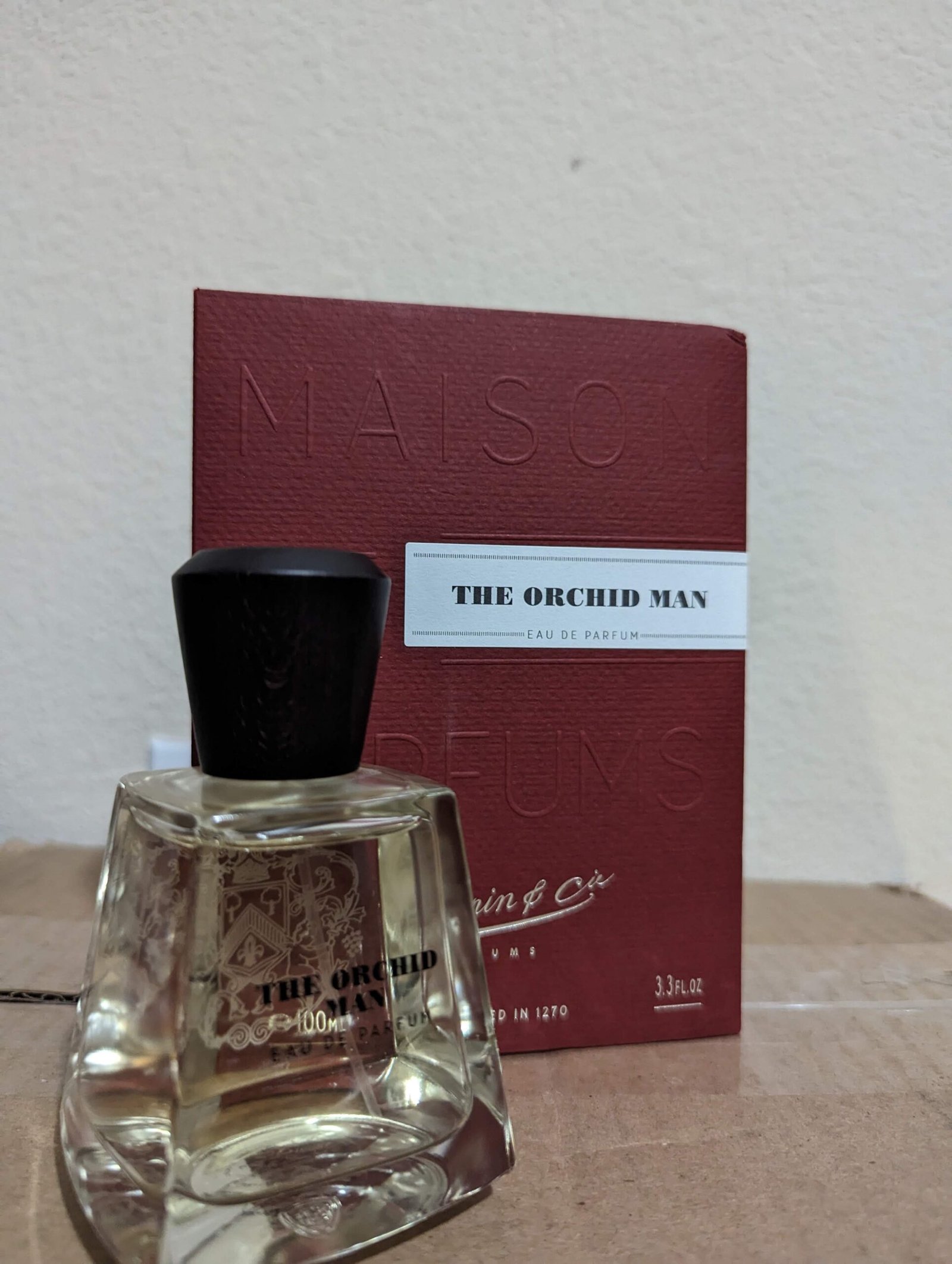
Buyers interested in lots tend to be new collectors, bulk buyers, or fragrance experimenters who prefer variety but are less concerned with condition or packaging. The strongest lots are themed and transparently described—improving buyer trust and making the offer more attractive.
A Practical Three-Tier Pricing and Selling Framework
- Tier 1: Rare, Premium Bottles
- Sell individually on an authenticated platform.
- Example: Discontinued Tom Ford, Creed, or Maison Francis Kurkdjian bottles in pristine condition.
- Tier 2: Mid-Tier or Popular Designer Bottles
- Try listing individually first; if no traction, bundle by brand or scent family for faster results.
- Tier 3: Partials, Testers, or Low-Value Bottles
- Bundle as a “discovery lot,” seasonal set, or brand-themed sampler.
This system protects the value of your rarest pieces, helps you move mid-tier items with minimal delay, and clears low-demand stock efficiently. For more detailed pricing strategies, refer to How to Photograph and Price a Used Perfume Bottle So It Sells Faster.
Step-By-Step: Maximizing Value by Selling Bottle by Bottle
- Inventory every bottle, recording brand, concentration, bottle size, fill level, batch code, box/accessory status, and visible condition.
- Research recent sales (not just active listings) for accurate market value.
- Photograph each bottle from multiple angles—front, back, bottom, fill line, and any defects.
- Write clear, honest descriptions including all relevant details (e.g., “factory-sealed,” “box slightly crushed,” “batch code: 21W01”).
- Price based on actual demand and fill level, rather than nostalgia or sunk retail price.
- Use tracked, insured shipping and secure payment escrow, as provided by Trade Perfumes, to build trust and prevent disputes.
Transparency is paramount in fragrance resale, as savvy buyers will insist on details like batch codes and fill lines, particularly for luxury and discontinued bottles.
Step-By-Step: Effective Bundling for Selling as a Lot
- Group bottles logically—by brand, season, scent family, or occasion (for example, “Winter Woods Sample Lot”).
- Keep lot values consistent so that one low-value bottle does not drag down the average.
- List every bottle’s key details, especially fill levels and condition, in your lot’s description.
- Take at least one complete photo with all bottles together, plus close-ups on unique bottles or notable wear.
- Offer an honest, transparent discount compared to total separate listings.
Hybrid Selling: The Most Successful Strategy
Most collectors will get the best outcomes using a hybrid method:
- Sell investment-grade bottles (luxury, discontinued, or rare) individually.
- Bundle mid-tier bottles (especially if unresponsive as singles) in themed or brand-specific groups.
- Put partials, travel sizes, and testers together as “discovery” or “exploration” sets.
- Bulk lots can be reserved for duplicates or bottles with little collector interest.
This approach ensures your best bottles reach the right buyers and command appropriate market value, while still clearing your shelves efficiently.
Where Does Trade Perfumes Fit Into This Process?
Fragrance resale is about more than just price—it is fundamentally about trust, authenticity, and buyer confidence. Trade Perfumes is built for collectors and sellers of authenticated, pre-owned, and discontinued luxury fragrances who need maximum market transparency. Sellers benefit from expert authentication, detailed batch and fill reviews, and secure escrow payments—key for high-value single bottles, but equally important when bundling partials or designer lots.
If you are listing high-end or hard-to-find bottles, individual listings on Trade Perfumes keep your bottles in front of the safest, most knowledgeable buyers. Our invitation-based seller partnerships ensure quality, while direct escrow payments eliminate common payout and fraud risks seen on generalist platforms. If your collection is a mix of partials, designers, and a few luxury rarities, you can structure your listings accordingly—confident that each transaction will be authenticated, reviewed, and protected.
Simple Decision Checklist for Sellers
- Is the bottle rare, discontinued, or frequently searched for by collectors?
- Is the fill level high and packaging pristine?
- Are there batch codes or special presentations that matter to buyers?
- Can you group several bottles by brand, scent family, or season for a logical bundle?
- Do you need maximum revenue or is speed and simplicity your main goal?
Answering “yes” to rarity, condition, and packaging suggests you should sell individually. “Yes” to speed, mixed fill, or mixed condition leans toward lots. If both apply, the hybrid approach delivers the best of both worlds.
Best Practices for Selling Your Collection
- Be transparent with fill levels, packaging, and provenance.
- Photograph every angle and disclose any flaws or missing accessories.
- Research values—especially for discontinued and niche bottles (see which luxury perfumes hold their value best).
- Ship with tracking and insurance to reduce disputes.
- For partial bottles, reference our deep-dive guide, What Does Partial Mean in Perfume Listings?
- When in doubt, consult with expert platforms specializing in fragrance, such as Trade Perfumes, for advice on presentation, authentication, and selling strategy.
Frequently Asked Questions (FAQ)
Should I sell discontinued fragrances individually or in a lot?
Discontinued fragrances with active buyer interest should almost always be sold individually to attract collectors willing to pay a premium for rare scents. Lot sales can undervalue these bottles and miss targeted buyers.
What types of bottles are best grouped into lots?
Common designer fragrances, partials, travel sizes, and bottles with mixed or moderate condition sell well when grouped into themed lots or bundles.
How do I determine the value of each bottle?
Research recent sold prices, not just asking prices, on authenticated fragrance resale platforms. Consider fill level, packaging, and batch code rarity. Guides on Trade Perfumes and related sites offer in-depth pricing strategies.
Does the presence of the original box increase value?
Yes. Collectors and buyers of luxury or discontinued bottles often pay more for complete presentations (box, cap, paperwork). For details, see our blog Full Presentation in Perfume Collecting: Does the Box Increase Resale Value?
How does Trade Perfumes ensure authenticity and safe selling?
Every seller is strictly vetted, every listing is reviewed for authenticity, and buyer payments are held in escrow until confirmed delivery. If a counterfeit is detected, a full refund is guaranteed. For more on the process, visit How Trade Perfumes Works.
Is there a best time of year to sell fragrance collections?
Interest peaks ahead of holidays and gifting seasons, but rare bottles sell year-round when properly presented. Fast-moving lots can clear more quickly during peak demand, while rare bottles command steady attention from dedicated collectors any time.
Conclusion
The decision to sell your fragrance collection as a lot or bottle by bottle shapes everything from your net return to your overall workload. For luxury and discontinued bottles, individual listings maximize value and trust—especially when supported by expert authentication and escrow protection. For more common bottles, or when speed is your priority, thoughtfully curated lots or bundles often offer the easiest path to a sale. Most collectors benefit from a hybrid model, selling select bottles individually and grouping others for efficiency.
Whether you are a collector, a casual enthusiast, or someone liquidating an estate, platforms like Trade Perfumes are equipped to guide you on strategy, pricing, and safe selling. You can explore more best practices, selling guides, and community knowledge in our full blog archive and product catalog. Ready to turn your collection into secure, authentic value? Let our team help you present it to the right buyers.