Photographing and pricing a used perfume bottle correctly can drastically improve your chance of a fast, smooth sale—especially in high-trust, enthusiast-driven marketplaces like Trade Perfumes. To attract serious buyers, eliminate doubts, and avoid endless negotiations, sellers should focus on two factors: accurate, detailed photography and transparent, market-savvy pricing. This guide provides actionable steps to make your listing stand out and convert faster, backed by Trade Perfumes’ expert insights from the world of authenticated luxury fragrance resale.
Definition: What Does It Mean to Effectively Photograph and Price a Used Perfume Bottle?
To “effectively photograph” a used perfume bottle means producing a set of honest, high-resolution images that clearly detail the condition, fill level, packaging, and any unique identifiers such as batch codes. “Pricing” effectively refers to researching market value, adjusting for fill level and condition, and setting a competitive price aligned with buyer expectations for your fragrance category—whether it’s luxury, discontinued, or partial.
Why Photos and Pricing Are Critical for Fast Sales
Buyers on platforms like Trade Perfumes expect transparency. High-quality photos minimize buyer hesitation, speed up expert authentication, and reduce the risk of disputes. Meanwhile, accurate, market-informed pricing avoids the top mistake both new and seasoned sellers make—overpricing or under-representing the bottle, leading to missed sales or lost value. With the right approach, you help buyers trust your listing and move quickly.
Step-by-Step: How to Photograph a Used Perfume Bottle
1. Preparation: Clean, Inspect, and Stage
- Clean the bottle: Use a lint-free microfiber cloth to remove fingerprints, dust, and residue. Pay attention to the cap, sprayer, and any glass details.
- Check the packaging: If original packaging is included (box, sleeve, authentication cards), inspect and clean these as well.
- Identify imperfections: Note and photograph any scratches, clouding, label wear, or chipped glass. On Trade Perfumes, full disclosure protects you in authenticity and condition disputes.
2. Build an Effective Photo Setup
- Background: Use a plain, light-colored surface—white foam board, paper, or tabletop—free from distractions and clutter.
- Lighting: Place the bottle near a window with soft, diffused daylight. Avoid direct sun, which causes glare and harsh shadows. A sheer curtain or thin white paper taped over the window can help diffuse natural light.
- Stabilization: Use a phone tripod or a steady hand. Blur is easy to spot, so check images as you shoot and retake if necessary.
3. Capture Every Angle: The Essential Shot List
- Front “hero” shot: Straight-on at eye level, showing label, brand, and fragrance name.
- Three-quarter angle: Positioned from slightly above and to the side, showing cap and bottle shoulders.
- Profile shots: Left and right sides, especially if embossed, uniquely shaped, or showcasing fill level.
- Fill level: Hold the bottle against a light, plain background to capture the exact liquid height, critical for partial bottles.
- Base/batch code: Close-up of the bottom for the batch, lot number, or engravings.
- Cap and sprayer: Detailed close-up to show condition and authenticity features.
- Packaging and extras: If included, photograph front and back of the packaging and any inserts or authenticity cards.
For detailed examples and advice about partial perfume listings, see our guide on what partial means in perfume listings.
4. Optimize Lighting and Reflections
- Avoid mixed lighting (natural plus artificial) that can alter color accuracy.
- Minimize reflections by angling white boards near the bottle or by subtly adjusting your body or camera placement.
- For glass clarity, place white cards or paper behind and below the bottle.
5. Edit for Accuracy, Not Drama
- Straighten, crop, and, if needed, lightly sharpen photos so text and logos are crisp.
- Do not apply heavy filters—buyers expect the color of the fragrance to match reality.
- Check for sharpness and clarity in every shot before uploading. Review images at full size.
6. Document Flaws and Details Transparently
- If the bottle has imperfections, supply close, well-lit images of those areas. Transparency dramatically reduces buyer claims after purchase.
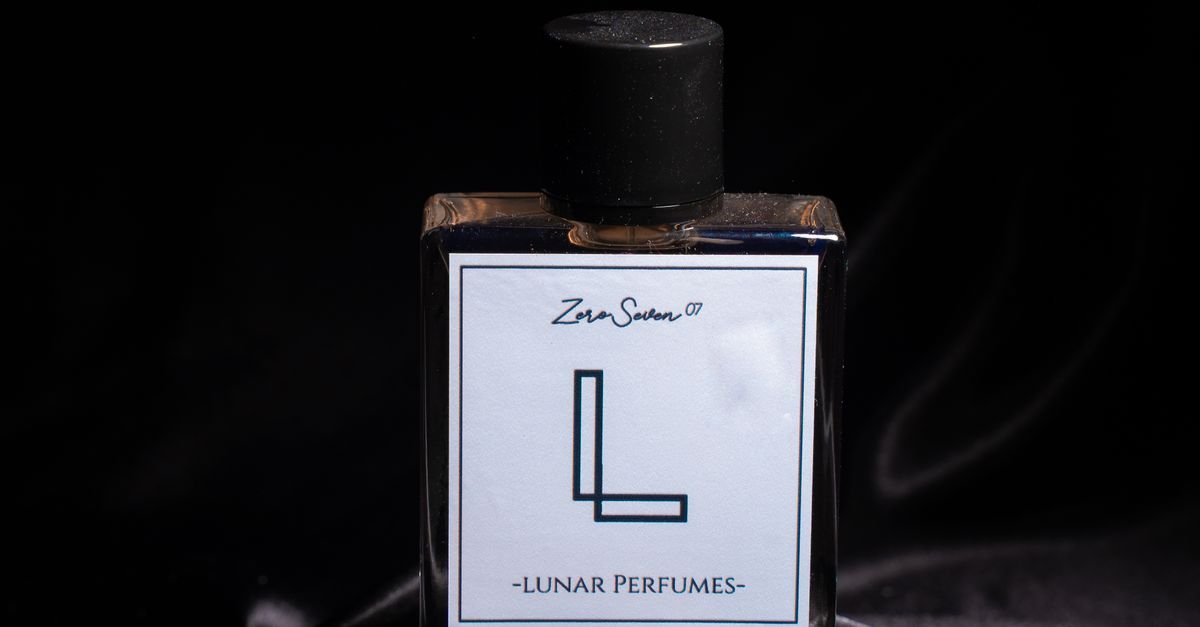
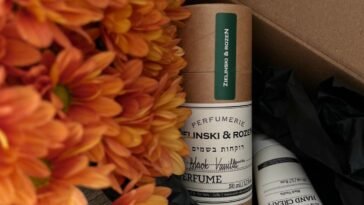
Example Product Photography
How to Price a Used Perfume Bottle for a Fast Sale
1. Research the Current Market Value
- Retail price: Find the going rate for an equivalent new bottle from the manufacturer or luxury retailer.
- Discounters and secondary market: Search for average sale prices on discounter websites and fragrance marketplaces.
- Current demand: If the bottle is discontinued or a collector’s favorite (for example, classic Creed or Parfums de Marly releases), check recent sold listings for real-world pricing.
2. Calculate Value Per Milliliter
- Divide the used market value by the total original volume (ml) to get a per-ml price.
- Multiply that by the actual remaining volume for your bottle. Take clear photos to justify the fill estimate.
3. Adjust for Condition and Packaging
- Full packaging, pristine: Expect to achieve 70–90 percent of new price, especially for high-demand bottles.
- Partial, box missing, or cosmetic flaws: Adjust to 60–70 percent of market average. Greater flaws may merit steeper discounts.
- Tester bottles: Apply additional discounts (see specifics in our partial bottle guide).
4. Discontinued and Vintage Pricing
- Discontinued luxury and rare fragrances on Trade Perfumes may fetch higher than original retail. Let collector demand anchor your minimum price, not historic retail
- Document batch codes, box condition, and provenance, as these directly impact collector value.
For investment-minded sellers, reference our deep dive into which perfumes hold their value best.
5. Set a Clear, Negotiation-Ready Target
- Decide on your desired price, then add a small buffer (typically 5–10 percent) for room to accept reasonable offers.
- On Trade Perfumes, you receive 100 percent of your sale price. The buyer covers the fee, so you do not have to bake in overhead for platform commission.
- If you want the fastest sale possible, list near the low end of the current range for similar bottles in your fragrance family and condition.
Best Practices for Photographing and Pricing Used Perfumes
- Check competitor listings: See how other top sellers on Trade Perfumes present similar items, especially for rare or discontinued fragrances.
- Keep visuals and numbers honest: Overpromising or under-disclosing flaws is the fastest way to lose buyer trust and trigger disputes.
- Bundle items when possible: If you have other bottles or related accessories from the same brand or collection, photos showing available add-ons can drive up average order value (always photograph all items honestly).
- Review Trade Perfumes guides: For detailed advice on niche topics like batch codes or verifying authenticity, see our guides on authenticating discontinued and vintage bottles and cologne trading.
Why Accurate Listings Matter on Trade Perfumes
Every listing is reviewed by specialist authenticators. Crisp, unedited documentation photos speed up the review and shipping process. Since Trade Perfumes enforces a transparent, invitation-only seller policy, your reputation grows with every honest, well-presented sale, making it easier to sell rare and investment-grade fragrances in the future. Protected payments and buyer assurance encourage buyers to pay a premium for safety, making it possible to avoid aggressive discounting found on general resale sites.
Quick Reference: The Used Perfume Listing Checklist
- Clean bottle and packaging
- Capture 7–10 clear, well-lit photos covering all critical angles
- Show fill level, batch codes, and any unique features (box, certificates)
- Research both retail and recent marketplace sales for your fragrance model and condition
- Set a fair price, buffer for negotiation, and state extras accurately
- Upload to Trade Perfumes and respond promptly to buyer questions
Example Listing: Real-World Illustration
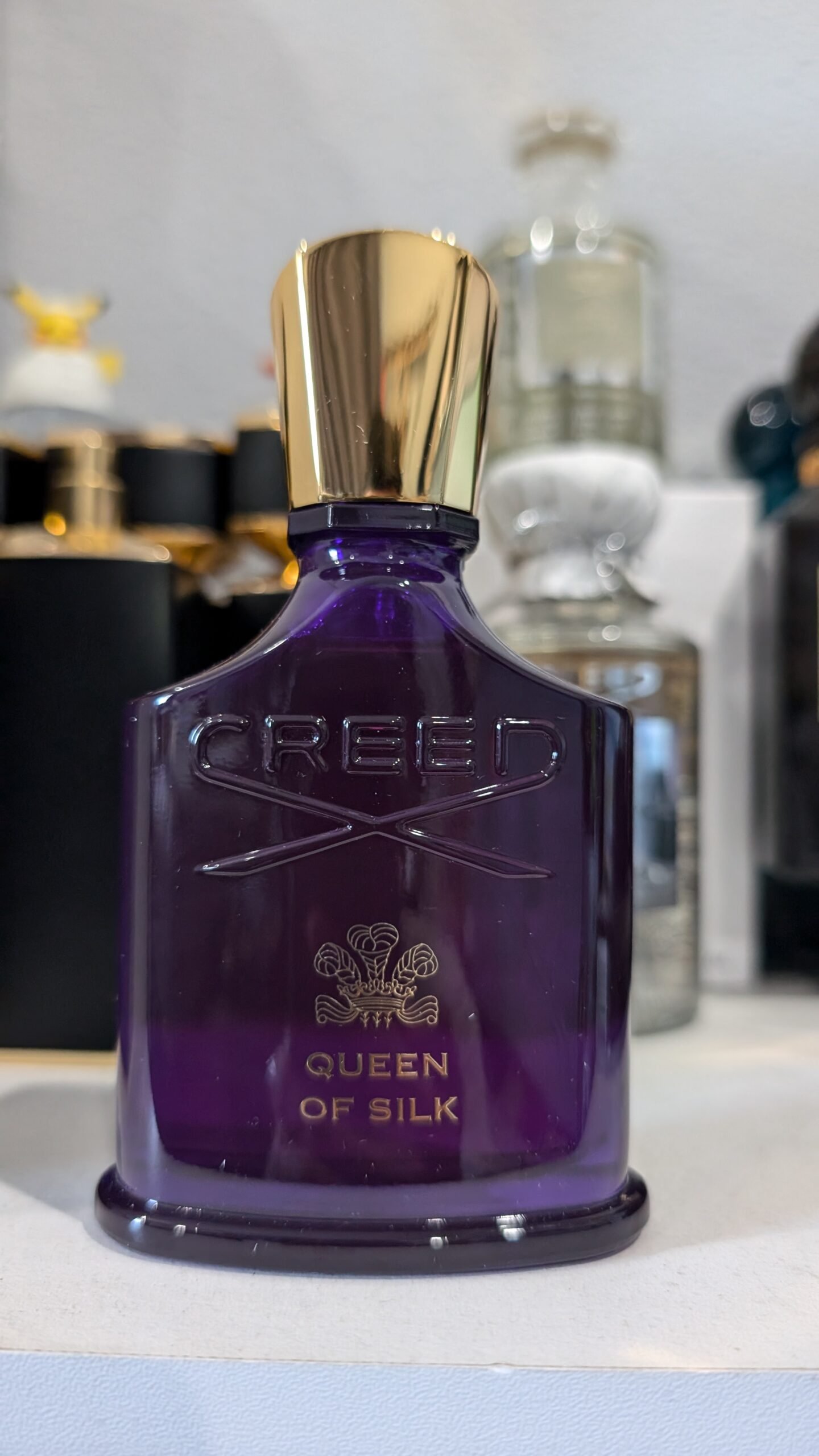
- Product: Creed Queen of Silk (75ml), box not included, bottle is new
- Photography:
- Front, sides, and back taken in diffused daylight
Creed Queen of Silk (75ml) - Fill-level photo against white surface
- Close-up of batch code and cap
- Front, sides, and back taken in diffused daylight
- Pricing:
- Discounters: Around $450
- Own bottle: Conditionally new, no box, listed at $276, reflecting savings and lack of box
Frequently Asked Questions
How many photos should I include with my listing?
Most successful listings on Trade Perfumes contain 7–10 clear photos covering all major angles, fill level, batch code, and all packaging/accessories.
What is the fastest way to estimate fill level if I don’t have the original box?
Hold the bottle upright against a white background and photograph at eye level. Compare to another bottle of the same size if possible. Always disclose the estimated percentage “remaining.”
Do I need to photograph every flaw?
Yes, photograph and describe all visible flaws or wear. Full transparency protects your seller reputation and speeds up authentication—especially on trusted platforms like Trade Perfumes.
How do I price discontinued or vintage scents?
Base your price on recent market sales, not original retail. Collector demand for certain batches or packaging variations can create much higher resale value. Reference our deep dive: Which Luxury Perfumes Hold Their Value Best in 2026?
What happens if my buyer claims a product is not authentic?
Trade Perfumes’ in-house authentication and dispute resolution process protects both parties. Documenting and uploading clear photos of the bottle, packaging, and batch code before listing reduces the likelihood of disputes. If a product is proven counterfeit, buyers receive a full refund per Buyer Protection policy.
Can I list tester bottles or partial bottles?
Yes. Trade Perfumes supports partial and tester fragrances. Ensure you follow the documentation advice in this guide, and for more guidance read our partial bottle FAQ.
Should I use creative props in my perfume photos?
Creative props can enhance the mood but always include a set of plain, documentation-focused photos to ensure potential buyers get the details they need for authentication and condition.
Conclusion: Sell Faster with Transparency and Expertise
Combining meticulous, honest photography with careful, data-driven pricing is the proven way to sell used and luxury fragrances quickly in curated, enthusiast marketplaces. Platforms like Trade Perfumes reward trustworthy sellers with faster authentication, higher buyer confidence, and fewer disputes—resulting in more completed sales for you.
If you are ready to list your next rare, discontinued, or investment-grade bottle, use this checklist to ensure your listing is as strong as possible. For more expert insights, or to join the trusted sellers’ network, visit Trade Perfumes and browse our education center and catalog for real examples in action.
Comments (2)