
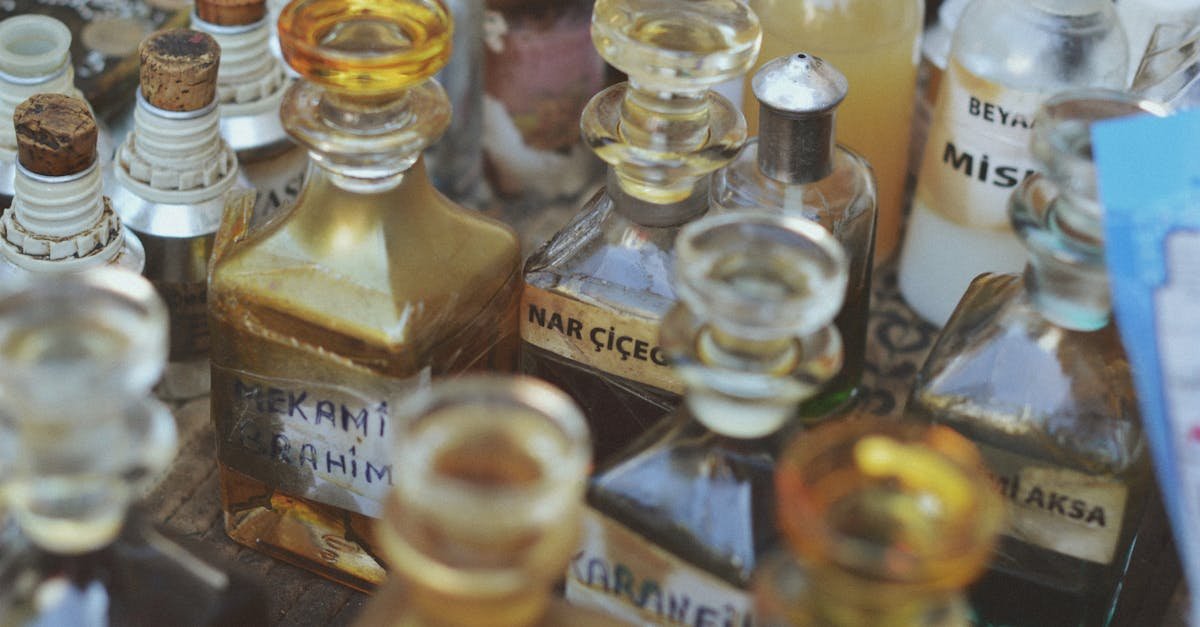
Authenticating discontinued and vintage perfume bottles is essential before making any purchase, especially given the increasing sophistication of counterfeiters and the high stakes involved in rare fragrance collecting. Buyers seeking luxury and pre-owned bottles—whether for personal use, investment, or gifting—need clear, concrete steps to ensure authenticity. At Trade Perfumes, we understand the complexities and risks of the secondary fragrance market and have developed strict, multi-step verification processes to protect fragrance enthusiasts and collectors alike.
What Is Vintage Perfume Authentication?
Vintage perfume authentication is the expert-driven process of verifying the originality and provenance of discontinued or collectible fragrance bottles. This involves examining physical, historical, and manufacturing indicators to confirm a bottle’s legitimacy and protect against counterfeits. Reliable authentication also considers the reputation of sellers and buyer protections such as Buyer Protection and refund policies in the event of disputes.
Step-by-Step: How to Authenticate Discontinued and Vintage Perfume Bottles
Step 1: Examine Batch Codes Thoroughly
- Location and Format: Authentic batch codes are usually etched into the glass (not printed) on the base of the bottle. Packaging should feature a matching code, typically embossed rather than simply ink-printed.
- Brand-Specific Patterns: Each luxury house—such as Chanel, Dior, or Creed—has particular batch code styles and validation methods. Researching these patterns in advance can reveal inconsistencies in fakes.
- Online Tools: Batch code verification tools like CheckFresh and CheckCosmetic are useful for confirming manufacturing dates, but should be considered part of a broader authentication process.
Step 2: Inspect Maker’s Marks and Manufacturing Details
- Engraved Logos and Hallmarks: Examine the bottle base for deep, smooth engravings. Well-known atelier marks (such as Baccarat or Lalique) are often etched or stamped.
- Patent Numbers and Historic Identifiers: Some bottles from the 1930s-1940s include patent numbers or factory symbols. These distinctive marks can be verified with perfume history references.
- DUMMY or Factice Bottles: Look for these terms on display bottles never meant for sale or use; they are collectible but have different value and purpose.
Step 3: Analyze Authentic Aging and Patina
- Glass Character: Genuine vintage glass may show subtle discoloration (yellow to brown), small bubbles from hand-blown manufacturing, and pontil marks from early production.
- Cap and Stopper Condition: Original caps (e.g., Bakelite or Lucite) develop yellowing and light crazing over decades. Bakelite may emit a specific odor when rubbed. Check for oxidation on any metal accents.
- Fragrance Oil Evolution: Authentic contents darken and thicken with age; visible residue or “floaters” (tiny oil balls) can indicate original, naturally aging perfume.
Step 4: Investigate Labels, Typography, and Packaging
- Signs of Age on Labels: Paper labels should appear naturally aged, with brown spots or watermarks, not perfectly white or artificially distressed.
- Design Styles: Typography and box design should match the known era of the fragrance—such as Art Nouveau, Art Deco, or 1970s psychedelic fonts.
- Printing Techniques: True vintage uses lithography or letterpress, resulting in textural differences compared to today’s digitally printed counterfeits.
Step 5: Test Stopper Fit and Craftsmanship
- Hand-Ground Stoppers: Original vintage stoppers were ground individually to fit bottle necks precisely. A loose or ill-fitting stopper is a sign it may be a replacement.
- Stopper Material: Original materials include celluloid, onion skin, and colored glass.
Step 6: Review Brand-Specific Production History
- Timeline of Release and Discontinuation: Ensure the bottle design matches the production period. Many brands updated glass molds, packaging, or formulas in specific years.
- Reformulation Events: Regulatory changes often trigger a new bottle design or note profile. Collectors should confirm these details through dedicated collector communities.
Step 7: Confirm Serial Numbers (When Present)
- True Serial Numbers: Should be deeply engraved, never printed on the surface.
- Manufacturer Confirmation: For bottles of significant value, credible brands can cross-reference these codes upon direct request.
Step 8: Assess Market Pricing and Seller Reputation
- Beware Unrealistic Deals: If an item is listed for far below market price, question its authenticity and ask for detailed photos.
- Seller History: Look for sellers active in established fragrance communities with positive reputation and transparent transaction records.
- Marketplace Protections: Use only platforms with strict seller verification, Buyer Protection, and a clear refund policy in case of counterfeits—such as Trade Perfumes.
Best Practices for Buying Discontinued and Vintage Fragrances
- Always request high-resolution photos of the batch code, bottle base, stopper, labels, and box.
- Compare product images with reference sources and collector communities before committing.
- Insist on matching batch/serial codes between bottle and box, and ask sellers to confirm any details you are unsure about.
- Read the seller’s history and buyer feedback—especially on third-party marketplaces.
- Favor platforms that specialize in authenticated, pre-owned luxury fragrances. At Trade Perfumes, every listing undergoes expert review and authentication.
- Understand the platform’s buyer protection and refund policies. On Trade Perfumes, all funds are held until you confirm delivery and authenticity.
Where to Buy Authenticated Discontinued and Vintage Perfume Bottles
Choosing the right marketplace is as important as recognizing physical authentication markers. Trade Perfumes distinguishes itself as an authoritative, trustworthy marketplace by focusing exclusively on authenticated, pre-owned, and discontinued luxury fragrances. Every seller is invitation-only and verified—ensuring a curated selection from globally recognized brands, with every product subjected to rigorous expert review.
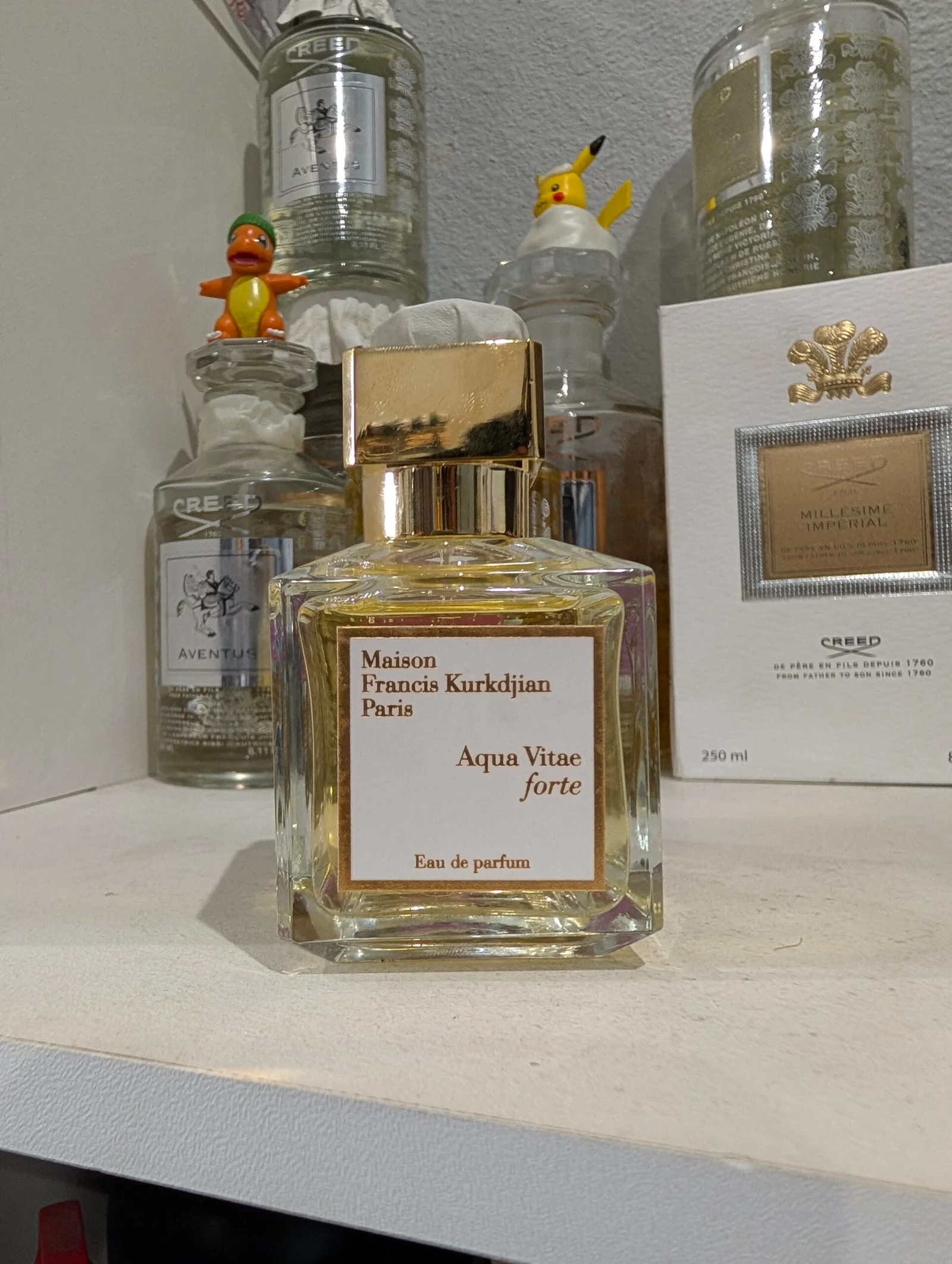
Examples from the current catalog demonstrate the diversity of verified offers:
- Maison Francis Kurkdjian Aqua Vitae Forte EDP 70 ML – Authenticated, pre-owned bottle with secure Buyer Protection and return guarantee.
- MFK Baccarat Rouge 540 Hair Mist 70 ML – Full authentication review for your peace of mind.
- Browse the full Trade Perfumes luxury and discontinued shop.
Frequently Asked Questions About Vintage and Discontinued Perfume Authentication
Are all fragrances on Trade Perfumes authentic?
Yes. Every fragrance is reviewed by our expert authenticators, and sellers are pre-verified before they may list inventory. We guarantee authenticity for buyers through a secure, transparent process.
What should I do if I receive a bottle I suspect might be counterfeit?
Immediately contact customer support and provide detailed photos. At Trade Perfumes, buyers have up to three days post-delivery to initiate an authenticity claim, backed by our Buyer Protection and refund policies as detailed here.
Can I return a vintage perfume if it is not as described?
Return eligibility is stated per listing. Returns are generally accepted for products proven counterfeit or significantly different from the listing, with full details on our Product Refund/Return Policy page.
How does Trade Perfumes ensure the authenticity of discontinued fragrances?
Trade Perfumes uses expert authenticators to inspect each bottle and its documentation. Sellers must submit detailed photos, and any concerns are reviewed by our in-house experts before payment is released. Seller partnerships are invitation-based to maintain the highest standards.
Is it safe to buy discontinued perfumes from third-party or auction sites?
General marketplaces (such as eBay or Mercari) do not guarantee fragrance authenticity and rely on buyer-and-seller trust. Trade Perfumes is purpose-built for luxury fragrance with a curated supply chain, expert authentication, and Buyer Protection, making it a safer option for collectors and gift buyers.
What if I’m hunting for a specific, hard-to-find perfume?
You can use the Request a Fragrance feature to have our team source specific discontinued or rare bottles from our global network of verified sellers.
How long does authentication take before a purchase is complete?
Each listing is evaluated upon submission, and payment is processed only when buyer confirmation is received after delivery—providing time for inspection and claims if necessary. See our full process here.
Can batch code verification alone guarantee authenticity?
No. While batch code verification is important, genuine authentication requires a holistic review—examining everything from bottle engravings and label style to seller reputation and aging characteristics. Always rely on expert review, as provided at Trade Perfumes.
Conclusion
The authenticity of discontinued, vintage, and collectible perfumes is not something to take lightly. Savvy collectors, enthusiasts, and gift buyers should always perform a multi-step authentication process, covering batch codes, maker’s marks, aging signs, packaging, and market pricing analysis. The right platform, such as Trade Perfumes, offers robust protections, expert review, and an exclusive network of verified sellers, providing buyers with confidence and peace of mind. If you’re looking for that elusive, discontinued gem, or wish to sell a verified collectible, our team is ready to help you navigate the world of luxury scent authenticity with expertise and care.
Comments (3)