Most perfume resellers quickly discover the profit picture is not as rosy as it looks. While the resale market for luxury and discontinued fragrances can be exciting, a maze of hidden costs can quietly eat up your margins. If you are only accounting for what you paid for the bottle, you are almost certainly underestimating your real expenses. Let’s break down the overlooked costs every perfume seller faces, why they matter (especially for high-end bottles), and exactly how you can protect your bottom line in this business.
What Are the Hidden Costs of Reselling Perfume?
When reselling perfume, real profit is defined not by how quickly a bottle sells, but how much is left after all fees, shipping, packaging, damage, returns, and slow-moving stock are accounted for. Sellers new to the space often find that marketplace commissions, shipping costs for fragile items, and the occasional damaged or returned bottle all add up faster than expected. Without a system to calculate your ‘landed cost’ per bottle, it’s easy to realize you’ve sold a lot but made less money than planned.
Definition: Landed Cost in Perfume Resale
Landed cost means the total real cost you incur to make a bottle ready to sell. It includes your purchase price, taxes or import duties, inbound shipping, packaging, platform or payment processing fees, and allowances for losses or unsellable items. For perfume, this figure is essential because high value bottles need special handling, insurance, and trustworthy platforms that ensure buyer and seller safety.
Step-by-Step Framework: How to Protect Your Profit
1. Know Every Cost Involved
- Acquisition cost: What you pay for the fragrance (wholesale or retail).
- Inbound shipping: Cost to receive inventory, especially important for international or fragile items.
- Taxes and duties: Any import fees or sales tax that cut into margin.
- Packaging: Specialized containers, bubble wrap, leak barriers, tape, and inserts. Perfume is fragile—cutting corners here means a higher damage rate.
- Marketplace/platform fees: These commonly range from 10% to 15% (and sometimes more for payment processing).
- Shipping to buyer: Tracked delivery, insurance for luxury bottles, and dangerous goods surcharges for alcohol-based scents.
- Returns/damages: Build in a damage/return reserve (3%–5% is practical in this category).
- Slow inventory: The cost of stock that takes months to sell, which may require discounting.
2. Calculate True Profit, Not Just Revenue
Many sellers skip this step: add up your landed cost, then subtract it from your anticipated selling price. What is left must cover your time, risk, and potential losses. If you cannot answer exactly how much room you have for discounts or refunds before you cross into loss, your business is running on hope, not numbers.
3. Factor in Marketplace Commission and Payment Fees
If you’re selling on a third-party marketplace, always include their commission and processing fee in your price calculation. For example, on a $150 fragrance, a 13% platform fee and 3% processing could take an immediate $24 off the top. At Trade Perfumes, our transparent buyer-side markup means sellers keep 100% of their asking price, eliminating unpredictable commission costs. That’s a better economic model compared to eBay or commission-based competitors.
4. Budget for Returns, Damages, and Disputes
In fragrance, a small leak or cracked cap can mean a total loss. Plus, luxury buyers expect perfect presentation. Build a loss reserve into your pricing, as some bottles will be returned, damaged, or disputed (even with careful packing). If you are operating at scale, even a 3% return/damage rate impacts your bottom line significantly.
5. Don’t Ignore Slow-Moving Inventory
Niche and discontinued scents are not always quick to move. If 10% of your bottles are sitting unsold after six months, storage time, the potential for price drops, and risk of expiration all chip away at your overall margin. That is why speed and selectivity are essential, especially if you are reselling rare or collector’s bottles through specialized channels.
6. Include Compliance and Setup Expenses
If you plan to scale up, permit fees, business licenses, and legal compliance can add meaningful cost—especially for imported bottles or states/provinces with strict regulations. Plan for these up front, rather than treating them as surprise later costs.
Case-in-Point: Luxury and Discontinued Perfume Resale
High-value and rare fragrances have more at stake: bigger ticket values, higher buyer expectations, and much greater risk if something goes wrong. Platforms like Trade Perfumes are built to address this, using expert authentication, secure escrow, and carefully vetted seller networks. For sellers, this means your chances of a smooth transaction (and profit) are dramatically increased.
Practical Profit Check for Perfume Sellers
Before you list a bottle, ask yourself:
- Do I know my full landed cost on this item?
- How much will platform or payment fees reduce my net?
- What will it cost to ship, protect, and insure the fragrance?
- How would one return, damage, or buyer dispute affect my net profit?
- What if I have to discount this bottle after a few months?
If you do not have confident answers, it is time to review your cost structure before listing another bottle. Unsurprisingly, the most successful resellers are not the ones who undercut everyone else, but the ones who understand every cent in and out of their operation.
Best Practices: Protecting Your Margin as a Perfume Reseller
- Use detailed checklists for every new bottle you acquire. Track not just what you paid, but all charges from arrival to final delivery.
- Write clear, accurate descriptions and take great photos. Disputes about condition and authenticity are a common cause of returns, especially in luxury scent resale. See our guide on how to photograph and price a used perfume bottle for expert tips.
- Always overprotect packaging for liquid. Bubble wrap, leak guards, and double-boxing can prevent costly shipping disasters.
- Price listings with enough margin for errors and slow selling. If your profit vanishes on just one refund, your prices are too tight.
- Choose platforms with seller-friendly terms. At Trade Perfumes, sellers keep their full asking price, and authenticity disputes are handled by expert review.
- Monitor which brands and bottle types sell fastest. Learn from each listing, and be quick to discount slow-moving stock.
- Review and optimize your costs regularly. The fragrance market evolves, and so do shipping rates, packaging requirements, and buyer expectations.
Luxury & Discontinued Fragrances: Examples of Hidden Costs
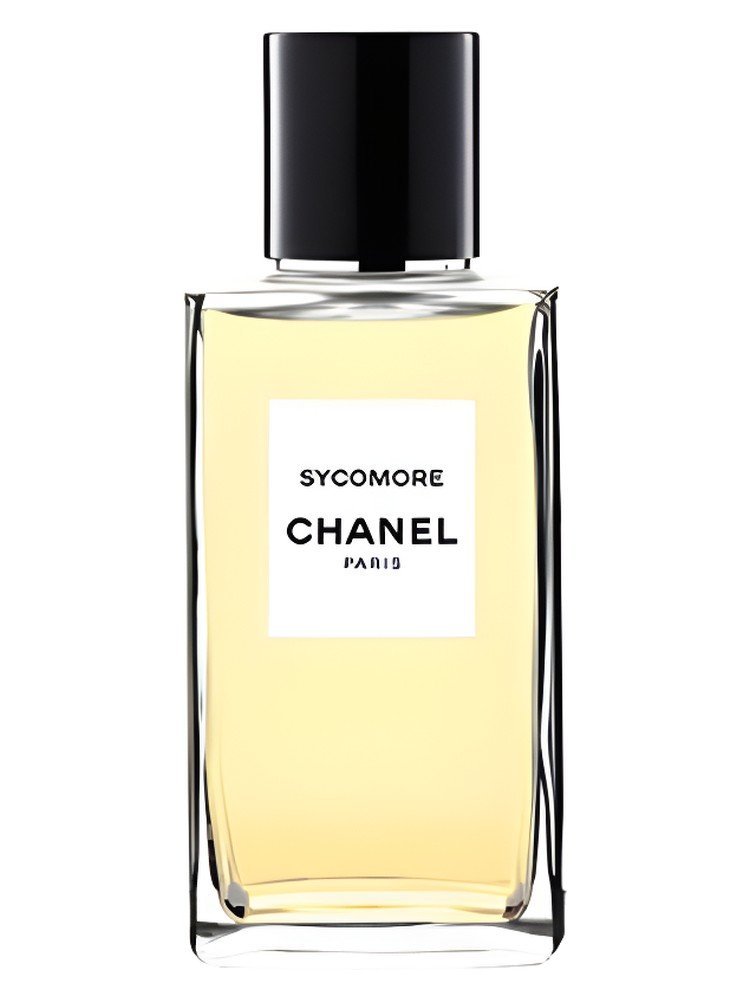
Let’s say you plan to sell a sought-after discontinued bottle—perhaps something like Chanel Sycomore or Ex Nihilo Honore Delights. If you purchase the bottle for $300, you might think you can list it for $350 and pocket the difference. But, once you add:
- Shipping from supplier: $12
- Import tax: $7
- Packaging for safe shipment: $6
- Platform fee (15%): $52
- Damage reserve (5%): $15
…you quickly see your $50 anticipated profit has vanished. This is why platforms that allow you to set clear pricing and protect your full sale amount—such as Trade Perfumes—become critical to real margin.

How Trade Perfumes Gives Resellers the Edge
As a marketplace built by fragrance enthusiasts, Trade Perfumes is designed to help you sidestep many pain points in traditional perfume resale. By verifying sellers up front, holding payments in escrow until both sides are satisfied, and providing an authentication guarantee (with support for dispute resolution), we simplify the hidden cost equation for sellers and buyers alike. Sellers keep 100% of their agreed price, making the math easier and more transparent than generalist platforms.
Further Reading: Deep Dives on Perfume Resale Profitability
- How Much Should You Resell Cologne For? A Practical Pricing Formula
- Can You Sell Opened Perfume? How Fill Level and Condition Affect the Price
- Should You Sell Your Fragrance Collection as a Lot or Bottle by Bottle?
- What Does Partial Mean in Perfume Listings?
Frequently Asked Questions
What costs should every perfume reseller expect?
Acquisition, inbound and outbound shipping, taxes, packaging, payment and platform fees, returns, damages, and slow inventory are standard costs for all perfume resellers. Calculating a true landed cost is crucial for profitability.
How do I minimize returns or damage?
Use high-quality packaging, provide clear detailed product descriptions and images, and use tracked/insured shipping for high-value bottles. Platforms like Trade Perfumes handle authenticity claims and provide dispute resolution, further reducing risk.
Is reselling luxury perfumes more profitable than mainstream brands?
Luxury and discontinued perfumes can offer better margins, but they demand greater attention to authenticity, condition, and presentation. They also carry higher risk if lost or returned. Specialist marketplaces designed for luxury resale, such as Trade Perfumes, are built to support these needs.
Can I sell partial or tester bottles?
Yes, partials and testers can have robust demand if you disclose fill levels and condition accurately. Check out our full guide on how fill level and condition affect price for more details.
What makes Trade Perfumes different than eBay for sellers?
Trade Perfumes is a dedicated fragrance marketplace with invitation-only seller partnerships, expert authentication, and buyer protection through escrow. Sellers avoid commission cuts and get access to a buyer pool that highly values trust and condition, making sales more predictable and risk lower.
Conclusion
Every successful perfume seller learns to treat profit as a formula, not a guess. The hidden costs of fragrance resale are real and unavoidable—but manageable with discipline. If you build in all potential expenses up front, you protect your margin, provide a better buyer experience, and set yourself up for long-term success. For those selling high-end, discontinued, or collectible scents, making Trade Perfumes your platform of choice is a calculated way to put trust and transparency on your side—so your hard-earned profits stay where they belong.
Ready to build real profit in luxury fragrance resale? Learn more and browse authenticated listings at Trade Perfumes.